
Two Giants, One Island
The Big Island of Hawaii is home to two of the most famous active volcanoes on Earth: Kilauea and Mauna Loa. They sit side by side inside Hawaii Volcanoes National Park, yet they are very different mountains. If you are planning a visit, it helps to know what sets them apart. Here is a friendly guide to Hawaii’s two great volcanoes.
Kilauea: One of the World’s Most Active
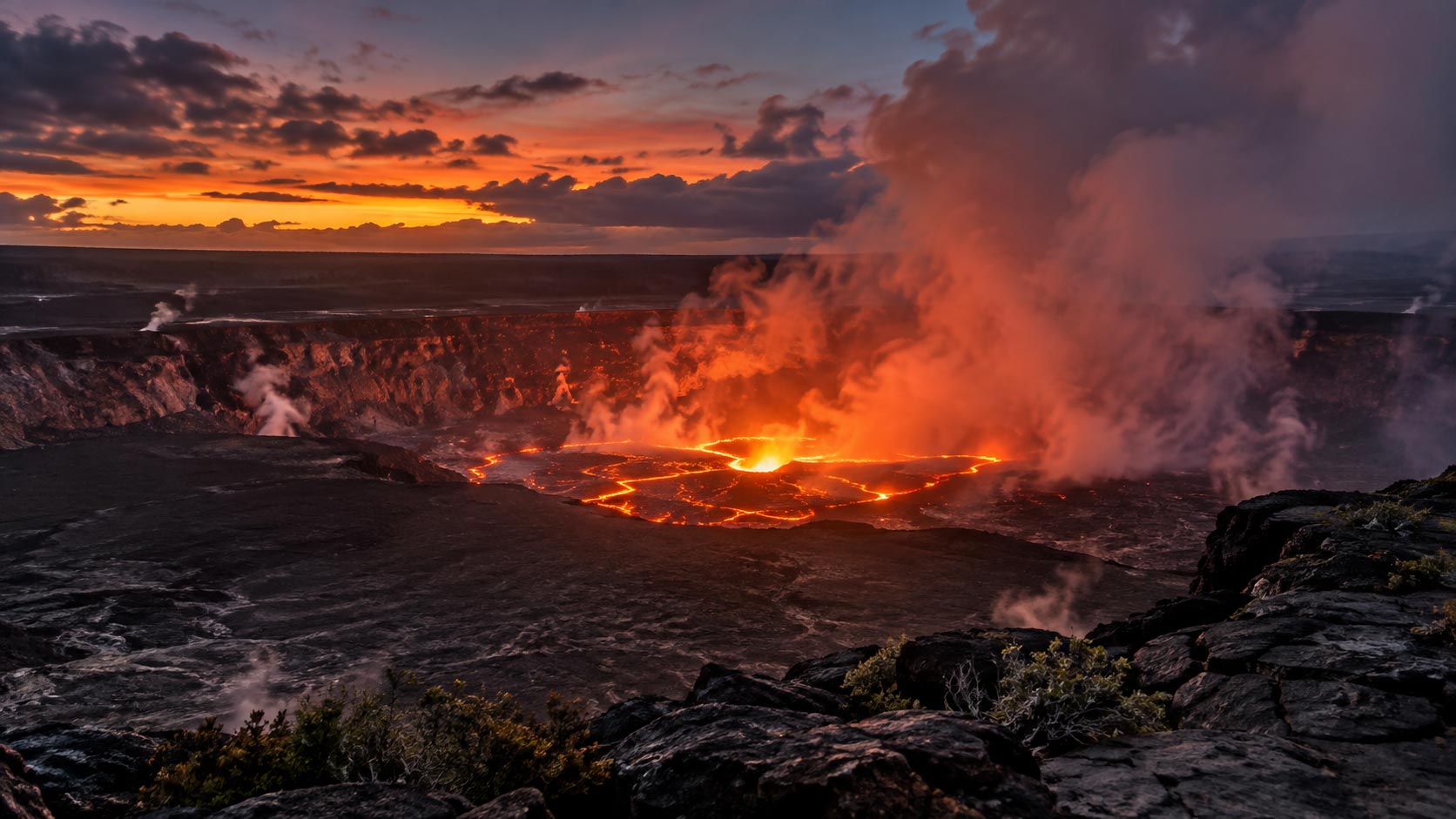
Kilauea is the younger, smaller, and more restless of the two. It is one of the most active volcanoes on the planet and has erupted frequently in recent years, often within its summit crater, Halemaumau. In Hawaiian tradition, Halemaumau is the home of the volcano goddess Pele. Because it is so active and its summit is easy to reach, Kilauea is usually the star attraction for park visitors, especially when its glow lights up the night sky.
Mauna Loa: The Largest on Earth
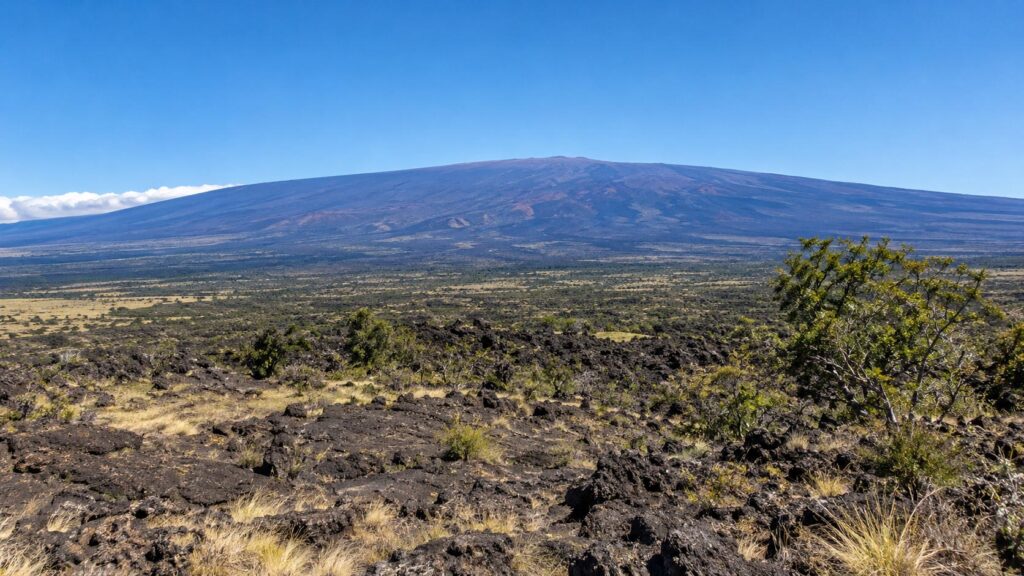
Mauna Loa is a true giant. It is the largest active volcano on Earth, covering about half of the entire Big Island. Its name means “Long Mountain,” and its broad, gently sloping shape is a classic example of a shield volcano. Mauna Loa erupts far less often than Kilauea, with its most recent eruption in late 2022, but when it does, the sheer volume of lava can be enormous.
Kilauea vs Mauna Loa at a Glance
- Kilauea: younger, smaller, very frequently active; summit crater Halemaumau.
- Mauna Loa: Earth’s largest active volcano; covers about half the island.
- Kilauea erupts often; Mauna Loa erupts rarely but on a massive scale.
- Both are closely monitored by the USGS Hawaiian Volcano Observatory.
>
Which Should You See?
The good news is you do not have to choose, since both are in the same national park. Most visitors focus on Kilauea’s summit area, with its overlooks, steam vents, and lava tube, and its far greater chance of seeing an active glow. Mauna Loa is better appreciated for its vast scale and the hiking it offers experienced adventurers. Together they tell the whole story of how these islands were built.
Explore Them With Respect
Both volcanoes are living, powerful places and are sacred in Hawaiian culture. Always check current park conditions, stay on marked trails and behind railings, and treat the land with care and reverence for Pele. Ask us about guided tours that bring the science and the stories of Kilauea and Mauna Loa to life.